Vietnam
It was in the high plateaux of central Vietnam in 1996 that we decided to take action to help children have access to schooling, good hygiene practices and nutrition.
Although Vietnam is undergoing rapid economic development, there are still rural areas where people are very poor and do not have adequate access to these things. From 1996 to 2002, we developed projects in the province of Kontum in the center of the country; then from 2003 to 2012 in the province of Phu Tho in the north of Vietnam
Delayed by the health crisis and the closure of international borders, a feasibility mission initiated in February 2020 was carried out in November 2023 in Yen Bai Province in northern Vietnam, to define new projects. We have been based in the new province of Lào Cai (formed from the merger of the former provinces of Yen Bai and Lào Cai) since 2025.
Vietnam
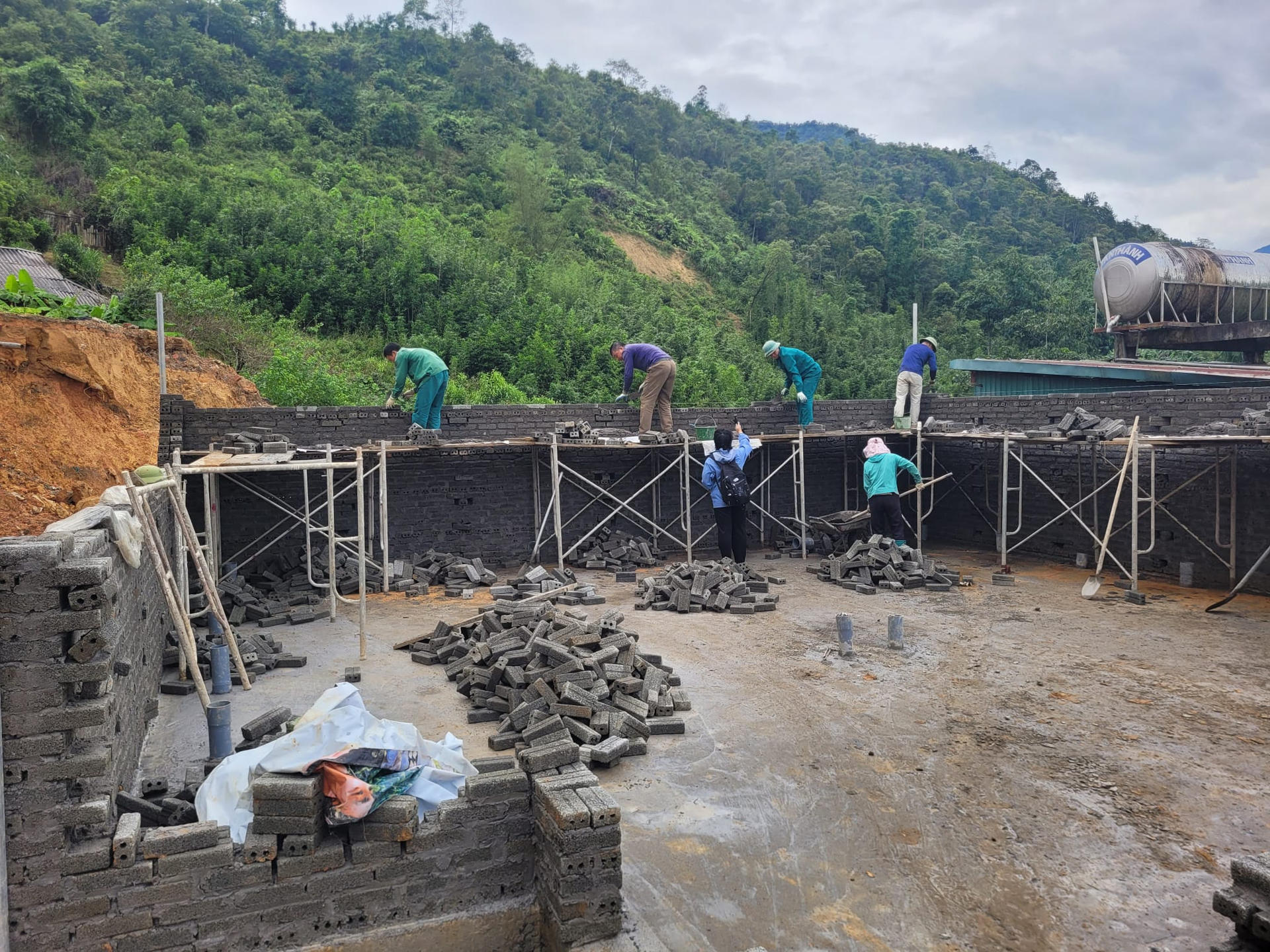
Projet en faveur de l'hygiène des élèves internes du groupe scolaire de Khau Ly

Preserving the cultural heritage of the Hmong ethnic group

Welcome Sinh!
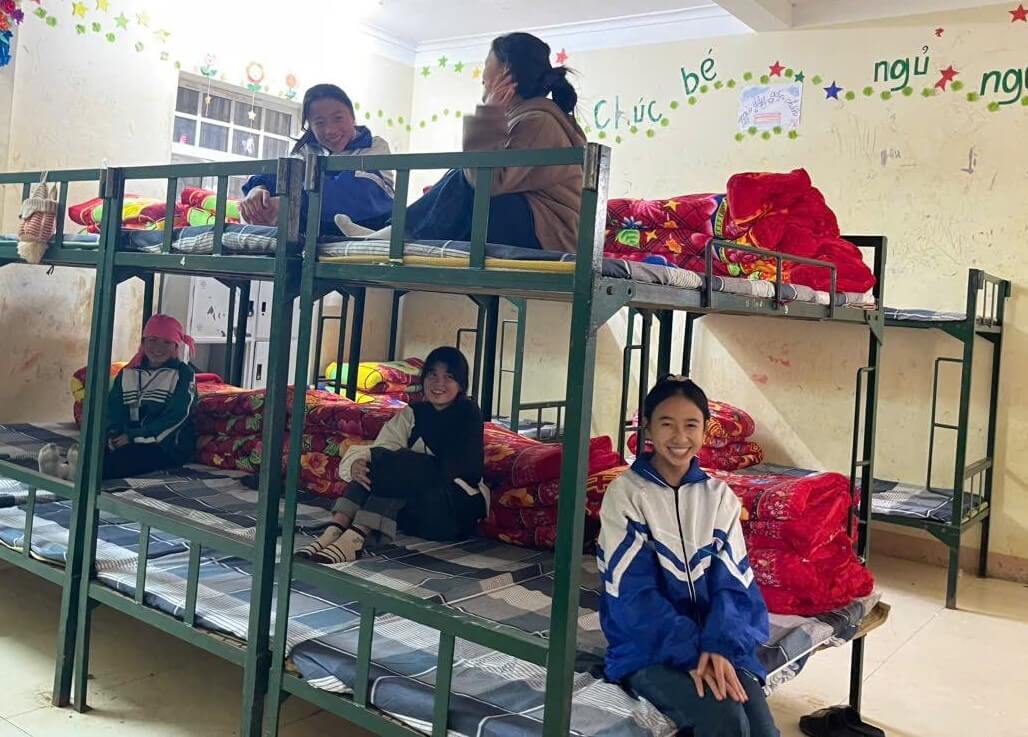
Thanks to the generosity of our loyal donors and La Voix de l'Enfant, in December 2024 we were able to distribute bedding for almost 500 boarding school children aged between 6 and 15: mattresses, sheets and thick, warm blankets essential in this region of Yen Bai, which is very cold until February-March, with temperatures that can drop below 0° at night.
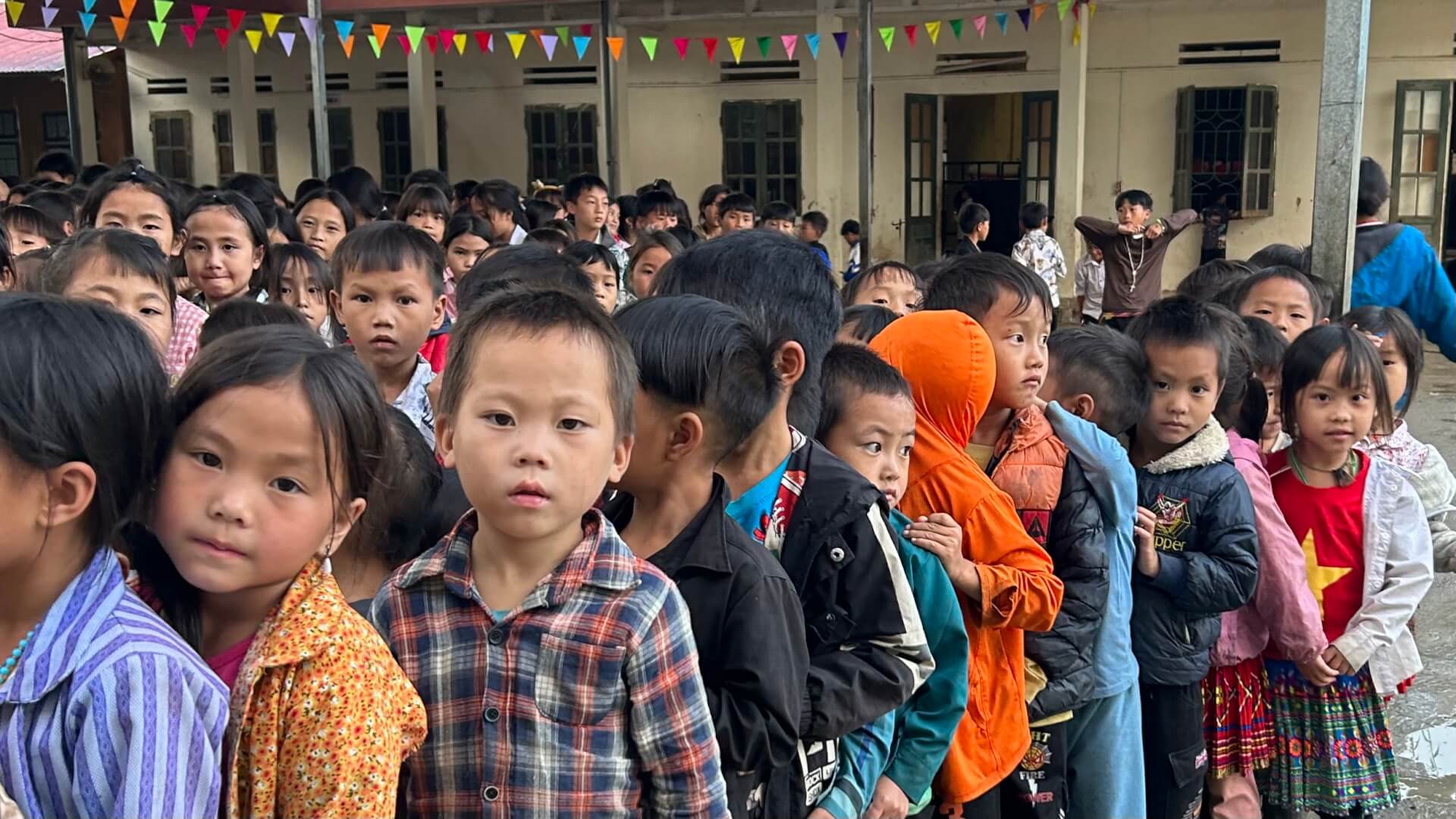
Sourires d'Enfants was born in Vietnam. For several years now, we have wanted to re-establish ourselves there and develop new initiatives to promote sustainable access to education and training.
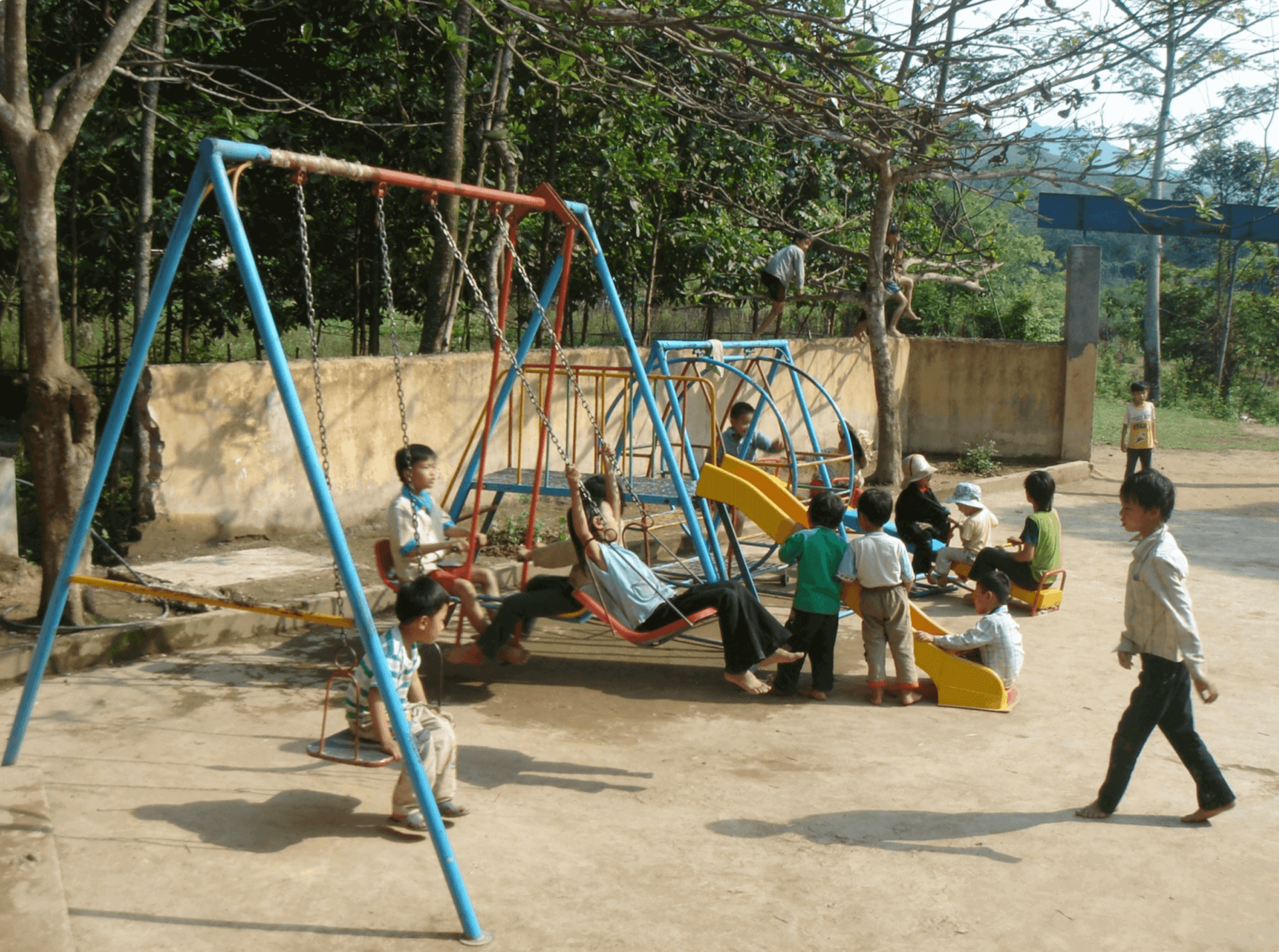
Between 1996 and 2012, we built, renovated and extended 32 nursery schools, 4 in Kon Tum Province and 28 in Phu Tho Province. All the schools are equipped with school canteens and income-generating activities such as pig farms and vegetable gardens. Personalised support has been developed for families to finance livestock farming: micro-credits have been granted to 60 villagers with a very good repayment rate. This proved very positive, and the scheme was taken over by the Women's Union, enabling the development of chicken farms and tea plantations.